Pages

Saturday, September 15, 2012

Expectant Moms: How to Keep Weight Gains Healthy

pregnancy, stethoscope

Avoiding foods that can send blood sugar levels spiking may help women reduce their risks of gaining too much weight during pregnancy, a new study from Ireland suggests.

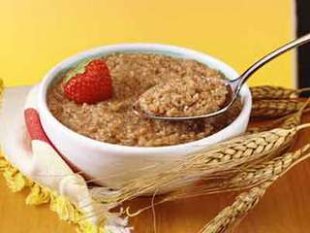
In the study, 48 percent of women who maintained their usual diet during pregnancy gained more weight during pregnancy than recommended, whereas only 38 percent of women who switched to a diet of low-glycemic index (GI) foods gained too much weight. The Institute of Medicine recommends that women of normal weight gain 25 to 35 pounds during pregnancy.

Pet dogs, brothers and sisters may help protect against egg allergy in children

Pet dogs, brothers and sisters may help protect against egg allergy in children
Having a pet dog at home may help prevent babies from developing an allergy to eggs, according to new research.

An Australian study of more than 5000 babies found that 10.2 per cent of babies in homes without a dog had egg allergies compared with just 5.9 per cent of babies living in a house with a dog.
The protective effect of having a dog inside the house on egg allergy, was also evident among those without a family history of allergic disease, researchers from the Murdoch Children's Research Institute, Melbourne said.

Controlled crying safe for babies

Controlled crying safe for babies
It’s the big choice for every new parent desperate for their infant to get some sleep – to leave to cry, or not to leave to cry.

For many, the notion of letting a baby blub at night without rushing to cuddle, rock or sing is too much to bear, despite the advice of countless parenting ‘gurus’. But new Australian research suggests that such techniques as controlled crying – although not the more extreme “cry-it-out” methods - have no ill effects and are genuinely effective for babies over six months old.

Pregnant wife inspired new low-cost baby scanner


Low-cost portable scanner could save hundreds of thousands of lives in developing countries.

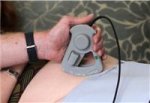
An electronic engineer has developed a low-cost baby scanner, which could save hundreds of thousands of lives. Jeff Neasham, an expert in underwater sonar technology at Newcastle University was inspired by his pregnant wife to develop the portable low-cost scanner, which can be plugged into any computer or laptop to reveal vital information about the unborn baby. He said:"It was my own experience of becoming a father and going through the whole antenatal process that prompted me to start the project.

Friday, September 14, 2012

Making sense of cry babies


BABIES' actions speak louder than words - and now parents can crack the code.

One of the biggest mysteries of parenthood, what is going on in your bub's little head, has been unlocked by a new resource.
Crying, cooing, sucking, staring into the distance or avoiding eye contact? The Raising Children Network website video series uses real-life examples to interpret their behaviour.

Executive director Dr Julie Green said parents of newborns struggled most with understanding when babies were tired, hungry, uncomfortable or restless. "Long before they can talk, babies use cues to let parents know what they need," she said.

Wednesday, September 12, 2012

Drinking mums hand kids a lifelong sentence


PREGNANT mums who won't quit drinking are giving birth to brain-damaged babies who develop learning and social disorders.

Experts say, despite health warnings, one in five women continues to drink during pregnancy and hundreds of babies are born each year with undiagnosed brain impairment.

The Foundation for Alcohol Research and Education has have drawn up a $37 million management plan to tackle foetal alcohol problems, which they will present to the Federal Government today.
They want to spend more than $10 million on a campaign to drive home the message that women who drink while pregnant can cause brain damage in their unborn babies

Saturday, September 8, 2012

Teach your kids to be good sports


Teach your kids to be good sportsKids' behaviour on the field often mimics parents' behaviour on the sidelines.

Did you know?
About 1.7 million, or 63 per cent, of children play at least one organised sport outside school hours, according to the Australian Bureau of Statistics.

Parents form the backbone of junior sport: coaching, managing and helping out on the field and in the club. While their role is invaluable, every parent whose child plays in a team has an important part to play because the way kids act on the field can be a mirror image of how their parents act on the sidelines.

In a bid to emphasise this message, many sporting codes and associations ask parents to sign a "good behaviour" oath at the start of the season, and coaches (most of whom are mums and dads volunteering their time) now hold pre-season briefing sessions for parents, outlining their coaching philosophy, expectations of parents and hopes for the season ahead.

Why humour is good for kids


Why humour is good for kids

Engaging your child's sense of comedy boosts resilience and wellbeing.
Are you raising a future Monty Python fan or will your child crack up watching The Simpsons – and how much control does a parent have over their progeny's emerging sense of humour?

Considering how much time adults spend trying to make babies and children laugh, little research has been done into development of the childhood funny bone.

But what experts in the area of humour firmly believe is that being able to laugh plays a crucial role in the development of resilience and wellbeing, and can help children navigate through and cope with the different stages of life.

What to do about night terrors


What to do about night terrors
Did you know?
The main difference between a night terror and a nightmare is that a night terror is not remembered by the child the next morning, but a nightmare is. Their eyes are open, they seem to be looking at you and they are screaming and thrashing around as though they are possessed. It is most likely a night terror and for parents it is a frightening thing to witness.

A "witness" is often all mums and dads can be because the professional advice says parents should not wake their children, but just be there to ensure they don't harm themselves.

"A child having a night terror can seem like they're awake but they're not," says Dr Honey Heussler, developmental paediatrician at Brisbane's Mater Children's Hospital. She adds that during a night terror, children can also be difficult to comfort because they may not be able to hear their parents.

Listening the key to kids learning


Listening the key to kids learning
Listening is an essential skill that sets your child on the road to speaking. It's the key to learning and to forming good relationships.

Talking and listening go hand in hand. Long before your baby talks, you have ‘conversations’ – speaking to her, naming things, pausing while she reacts, then reacting back to her. Listening to you she absorbs the basic blocks of language, and your expressiv and exaggerated speech helps her learn and pronounce words. At the same time, she’s  learning that there are pauses and nonverbal exchanges that are as telling as the words themselves. Once she’s begun talking, it’s the way you listen to her that will help her become a good listener too.

Helping them through their first days of school


You sent them off to school in their shiny new shoes, Charlie and Lola backpack strapped on, Peppa Pig lunchbox swinging… but now it’s tears before bedtime.

When your littlest ones are finding those first days of school too much to bear, what can you do to help them through? The truth is, regardless of whether they’ve been in nursery or rubbing along with Mum or Dad at home, the transition can be huge.

From separation anxiety to fears about going to the toilet or whether they will find new friends, the worries can crowd in and seem overwhelming. Just think: you feel like crying, so what might be going through their little heads?

Friday, September 7, 2012

5 Reasons to Monitor Ovulation


Trying to get pregnant can be a frustrating process for some people, while for others, it is could be as easy as ABC. Knowing when your ovulation occurs is the key to this, all other things being equal. The following gives you an idea on why you need to monitor your ovulation.

Are there vitamins that can increase fertility?


We know that vitamins are essential for keeping our bodies working properly -- they help regulate the body's functions and keep everything operating smoothly -- so it seems logical that they would play a role in one of the body's most complicated processes: reproduction. But can taking certain vitamins actually increase the chances of getting pregnant and having a successful birth? In other words, can they increase fertility? While most studies on the link between vitamins and fertility are inconclusive, some findings do suggest a connection between getting healthy amounts of certain vitamins and the ability to conceive.

Fertility and Your Age


More women today find they want to put off pregnancy until their careers are well established, or until they've gotten more life experience. However, research shows that pregnancies in women over the age of 35 suffer from more problems than those in younger women. How great are the risks compared with the benefits, and what do you really need to be concerned about?

How can you tell if your child is a prodigy?


Child prodigies wouldn't be considered such if they never had the opportunity to discover their talents. Let's take the example of Autumn de Forest, an 8-year-old who had spent plenty of time drawing with crayons and pencils before she recognized her true artistic abilities. Her father was in the basement staining a piece of wood when the then-5-year-old asked if she could use some of the leftover materials to play. Shortly thereafter, her father turned around to find quite a surprise. Autumn -- using the stain and a spare piece of wood -- had created a work that displayed an artistic ability far beyond her years.

Sleep apnoea? Lose weight


It's a scary thought: not breathing for seconds while you sleep. For many people, this condition – called sleep apnoea – is a daily reality. Now research shows that certain dietary changes can make the world of difference.

What is sleep apnoea? Sleep apnoea is a relatively common condition where breathing is interrupted during sleep by partial or complete collapse of the upper airways. Up to 5% of western populations have this uncontrolled condition 

Sleep yourself slim


Could more sleep really be the secret to effective weight loss? It seems too good to be true, and yet convincing research has shown that just one more hour of sleep a night could help you shed those extra kilos.

In fact, neuro-scientist Karine Spiegelof France's INSERM, a public organisation dedicated to biological, medical and public health research, claimed that there are more than 30 surveys which were carried out on worldwide population samples to back this theory up. "More sleep could be the ideal way of stabilising weight or slimming," she said, and added that, although poor eating habits and a lack of exercise contribute to the global rise in obesity, there is a growing consensus that a lack of sleep also plays a pivotal role.

Parents warned over liquitabs danger to toddlers

Parents warned over liquitabs danger to toddlers
A campaign has been launched by doctors to warn parents of the dangers of liquitabs, the liquid detergent capsules used in dishwashers and washing machines.

Five children under the age of two have been admitted to the Royal Hospital for Sick Children in Glasgow this year alone after biting into the bright-coloured capsules which can cause chemical burns to the throat and eyes. The youngest child was just 10 months old.

Sleep tips: 7 steps to better sleep


You're not doomed to toss and turn every night. Consider simple tips for better sleep, from setting a sleep schedule to including physical activity in your daily routine.

Feeling crabby lately? Or simply worn out? Perhaps the solution is better sleep.
Think about all the factors that can interfere with a good night's sleep — from pressure at work and family responsibilities to unexpected challenges, such as layoffs, relationship issues or illnesses. It's no wonder that quality sleep is sometimes elusive.

Although you might not be able to control all of the factors that interfere with your sleep, you can adopt habits that encourage better sleep. Start with these simple sleep tips.

Thursday, September 6, 2012

Getting Kids Ready For the New School Year


The summer holidays are winding down gradually. It is also a reminder to parents that their kids and wards would soon be heading back to school. Having taken a long time off school, it is, therefore, important that we ease the little ones back to school gradually. This will help in preparing them for the mental challenge ahead, easing them out of the holiday spirit. The following tips are to help parents and kids make that much needed transition from holiday mood to academic mood.

Causes of Heart Attack


A heart attack occurs when one or more of the arteries supplying your heart with oxygen-rich blood (coronary arteries) become blocked. Over time, a coronary artery can become narrowed from the buildup of cholesterol. This buildup — collectively known as plaques — in arteries throughout the body is called atherosclerosis.

During a heart attack, one of these plaques can rupture and a blood clot forms on the site of the rupture. If the clot is large enough, it can completely block the flow of blood through the artery. When your coronary arteries have narrowed due to atherosclerosis, the condition is known as coronary artery disease. Coronary artery disease is the underlying cause of most heart attacks.

An uncommon cause of a heart attack is a spasm of a coronary artery that shuts down blood flow to part of the heart muscle. Drugs, such as cocaine, can cause such a life-threatening spasm. A heart attack can also occur due to a tear in the heart artery (coronary artery dissection). Other uncommon causes of heart attack include small blood clots or tumors that have traveled from other parts of the body (coronary embolism).

How to Prevent Heart Attack


Heart disease is one of the leading causes of death in the United States. For those over 65, the risk of heart disease rises significantly. While those statistics may be frightening, there are many simple strategies that can greatly reduce the risk.

Whether you are already at risk for heart attacks, or are simply concerned about your health, heart attack prevention may mean a significant lifestyle change. With these simple steps, you can learn how to prevent a heart attack – and how to stop heart attack if you feel the symptoms coming on.

Wednesday, September 5, 2012

Reasons Why You Should Let Your Kid Get ‘Dirty’


Parents don't let their children pay in mud, soil or dirt because they don't want them to get sick or poisoned. The focus on hyper cleanliness might seem like a good thing but new research supports that contact with dirt is good for young children. Here are five reasons why you should allow your child to play in the dirt every now and then: 
Research supports that dirt is not harmful but rather good for the body

Have you stopped your toddler millions of times from putting dirty things in their mouth? Jane Brody from The New York Times states that there is an evolutionary reason for such a common behavior, which science supports. This evolutionary reason is defined as 'hygiene hypothesis.' According to researchers, soil contains bacteria, viruses and worms that are important for the development of a healthy immune system. Dr Graham Rook, a professor at the Centre for Clinical Microbiology at the University College London, said that tiny organisms have been present with us since the beginning of humanity. These bugs had to be tolerated, thus they activated the tolerance level of our immune system.

Tuesday, September 4, 2012

Secondhand smoke: Avoid dangers in the air


Exposure to the toxins in secondhand smoke can cause asthma, cancer and other serious problems. Know what you're breathing — and consider practical steps for clearing the air.

You don't smoke because you understand the dangers — but what about secondhand smoke? Secondhand smoke causes or contributes to various health problems, including heart disease, lung disease and various types of cancer. Understand what's in secondhand smoke, and consider ways to protect yourself and those you love from secondhand smoke.

Toilet accidents at the start of term - what parents can do


Wetting and soiling is common for young children as they start school. It can be a difficult and embarrassing time for kids, parents and teachers, but there's nothing to be ashamed of


Starting school is a big milestone for families and as the first day looms, parents everywhere are busy preparing their kids to become independent during the school day.  It’s usually expected that children will have developed good toileting skills by the time they start school, but increasingly teachers are reporting that this isn’t the case. And for parents whose children are not yet fully clean or dry, the prospect of starting school can be fraught with anxiety about how their child will cope.

Lead exposure: Tips to protect your child


Lead exposure is preventable. Find out about common sources of lead exposure and what you can do to protect your child.

Young children are at the greatest risk of health problems related to lead exposure, including serious brain and kidney damage. Children age 3 and under are especially vulnerable because their ways of playing and exploring — such as crawling and putting objects in their mouths — increase their risk of contact with lead, and of lead entering their bodies through breathing or swallowing.

Iron deficiency in children: Prevention tips for parents


Iron deficiency in children can affect development and lead to anemia. Find out how much iron your child needs, the best sources of iron and more.

Is your child getting enough iron in his or her diet? Find out what causes iron deficiency in children, how to recognize it and how to prevent it.

Why is iron important for children?
Iron is a nutrient that's essential to your child's growth and development. Iron helps move oxygen from the lungs to the rest of the body and helps muscles store and use oxygen. If your child's diet lacks iron, he or she may develop a condition called iron deficiency. Iron deficiency in children can occur at many levels, from depleted iron stores to anemia — a condition in which blood lacks adequate healthy red blood cells. Red blood cells carry oxygen to the body's tissues, providing energy and giving skin a healthy color. Untreated iron deficiency in children can cause physical and mental delays in areas such as walking and talking.

Healthy snacks for kids: 10 child-friendly tips


Healthy snacks for kids don't have to be dull. Consider 10 tips for quick-and-healthy snacks.

Snacking is a major pastime for many kids — and that's not necessarily bad. Nutritious snacking can help your child curb hunger throughout the day, as well as provide energy and important nutrients. Find out how to make healthy snacks for kids.

Halloween safety: Tips for trick-or-treaters


Make Halloween safety part of your holiday fun. Start with these practical Halloween safety tips.

It's the time of year for costumes, sweets, and tricks and treats. Put Halloween safety first with these common-sense tips.

Thumb sucking: Help your child break the habit


Thumb sucking can be a difficult habit for a child to break. Understand what you can do to help your child stop sucking his or her thumb.

Thumb sucking is a common habit among children. If your child sucks his or her thumb for too long, however, it might be a habit that you'd like to break. Start by finding out what's behind thumb sucking — and understanding ways to stop the behavior.

Single parent? Tips for raising a child alone


Raising a child on your own can be stressful. If you're a single parent, understand how to cope with the pressure, find support and nurture your child.
If you're raising a child on your own, you're in good company. Single-parent families are more common than ever. Know how to manage some of the special challenges single parents experience and what you can do to raise a happy, healthy child.

Smoking in pregnancy leads to asthma in children later on

Smoking in pregnancy leads to asthma in children later on
Smoking during pregnancy is associated with wheeze and asthma in preschool children, a new study has found.

The conditions also occured where the child was not exposed to maternal smoking in late pregnancy or after birth.
The study, led by Dr Ã…sa Neuman of Karolinska Institutet in Stockholm, reviewed data on 21,600 children, including 735 who were exposed to maternal smoking only during pregnancy.

Sunday, September 2, 2012

Top 10 reasons why you’re not losing weight


If you’ve been adhering to a strict healthy eating and fitness plan for a while but are failing to see the results, it may be time take a look at what is sabotaging your success. From dieting blunders to physical factors, check out the top 10 reasons why you’re not losing weight.
woman eating doughnuts

Friday, August 31, 2012

Exercise found to reduce risk of womb cancer

Exercise found to reduce risk of womb cancer
Sitting down for long periods increases risk

Womb cancer is the fourth most common cancer in women with more than 7,500 new cases diagnosed each year in the UK. Now a comprehensive review of existing evidence has found that women who are active and exercise regularly are 30% less likely to develop the disease.

Link between coffee drinking and reduced fertility explained

Link between coffee drinking and reduced fertility explained
Not recommended as a contraceptive
Women with high caffeine consumption often take longer to conceive than other women.

Now a new study appears to have found an explanation for this connection - and the findings may help to play a part in treating infertility.
In order for a woman to get pregnant her eggs must travel to the womb through the Fallopian tubes. The mechanisms that allow her microscopically small eggs to move through the tubes are not well understood, but scientists have long suspected that tiny hair-like features in the walls of the tubes, called cilia, somehow help the eggs to waft along. Muscle contractions in the Fallopian tubes also appear to aid this process.

Chocolate may reduce men’s stroke risk


Eating a bar of chocolate a week linked to a lower risk of stroke for men, according to new study

Men who eat a bar of chocolate a week could be reducing their risk of stroke in later life, according to a new study in Sweden. Eating a standard chocolate bar (around 63g) was found to lower the risk of stroke by 17 per cent, and there is some evidence that eating more could reduce it further.


But experts have warned that following the results to the letter could be harmful, as chocolate is also high in saturated fat, calories and sugar and it shouldn’t be indulged in too often

Wednesday, August 29, 2012

Top foods for enhancing fertility


Whether virility or ovary issues keep you awake at night (for all the wrong reasons!), the following foods should have you eating your way to a better level of fertility in no time.

Fertility food for thought
With conception numbers dropping and adoption rates on the rise, you might think the chances of making a baby these days are lower than the modern man’s sperm count. Scientific research paints a fairly grim picture, as sperm and ova abnormalities continue to surge, whilst stress, overwork and alcohol are all held accountable. So, is there anything we can do to prevent the painful cycle of frustration brought on by miscarriages and weakened sperm? Thankfully, the answer is yes.

11 Month Old Twins Dancing to Daddy's Guitar


Eat avocados to fight cancer and stay young


Avocado oil may hold the key to anti-aging, as well as fighting heart disease and cancer.

Avocados look set to become the latest super-food, after a new study has discovered that oil from the fruit, as well as protecting against heart disease and cancer, also has anti aging properties.

Ovarian cancer – the silent killer


Symptoms of ovarian cancer can be vague and easily mistaken for other conditions, meaning women are often diagnosed late.

Ovarian cancer kills 4,000 women in the UK every year but experts are insistent that if women were more aware of the signs, many of these lives could be saved each year. When the disease is caught in its early stages, five year survival rates are around 90%. But the scary truth is that British women are less likely to get an early diagnosis than their European peers.


“They call it the silent killer but symptoms should shout out at you: you have to listen to your body and act,” says an anonymous sufferer, quoted by Ovarian Cancer Action.

Top 10 hangover foods


Overdone it on the booze? The good news is help is at hand! While you may be tempted to reach for the junk food to make yourself feel better, loading your overworked liver with more toxins is actually the last thing it needs. Instead, try snacking on one of these alternative foods to aid your recovery and start feeling better in no time at all.

Choose fibre-rich foods to reduce belly bloating

Choose fibre-rich foods to reduce belly bloating
There are many factors that contribute to hormonal balance but one of them has the power to reduce insulin, inflammation and toxic estrogen and even help you live longer – and it’s likely lurking in your kitchen right now. 

According to a recent study by National Institutes of Health, participants who consumed an adequate amount of fibre in their daily diet had significant reductions in the risk of death from cardiovascular, infectious and respiratory diseases, with the greatest benefit seen among those who consumed the largest amount of fibre.

Tuesday, August 28, 2012

Teens who smoke pot can damage memory, intelligence


Teenagers who become hooked on cannabis before they reach 18 may be causing lasting damage to their intelligence, memory and attention, according to the results of a large, long-term study published on Monday.

Researchers from Britain and the United States found that persistent and dependent use of cannabis before the age of 18 may have a so-called neurotoxic effect, but heavy pot use after 18 appears to be less damaging to the brain.

Teen Posed as Nurse, Abducted Baby from Womens Hospital, Posted Pics of Stolen Child on


Olive oil may help strengthen bones


Olive oil may help to bolster up the bones, a study has shown.
Evidence of the effect emerged from a study of men consuming an olive oil-rich Mediterranean diet. Their blood was found to contain boosted levels of osteocalcin, a marker of healthy bone formation.

Previous laboratory studies have suggested that olive oil may protect against the brittle bone disease osteoporosis Incidence of osteoporosis is also known to be lower in Mediterranean countries than in the rest of Europe.

Job stress doubles diabetes risk in women


Work stress doubles the risk of developing diabetes for women who have little or no control over what they do on the job, according to a new Canadian study. The same is not true for men.

"Men and women react differently to workplace stress," Peter Smith, lead author of the nine-year study by researchers at the Institute for Work and Health and the Institute for Clinical Evaluative Sciences in Toronto, told AFP.

Monday, August 27, 2012

US finds lead poisoning from Ayurvedic medicines


US health researchers said Thursday that they have documented lead poisoning risks among pregnant women who took Ayurvedic medicine and issued a new warning on the safety of traditional pills.
New York City health authorities probed six cases since last year of women -- all but one born in India -- found to be at high risk of lead poisoning due to Ayurvedic medicine, the US Centers for Disease Control and Prevention said.

Sunday, August 26, 2012

Five natural antibiotics to fight bad bacteria


Taking synthetic antibiotics can wreak havoc with your body’s delicate balance, so try these natural alternatives to help you battle the bugs and boost your immune system

Getting your doctor to prescribe you antibiotics is a tall order these days, but our GPs aren’t trying to make us suffer. Modern reliance and over-use of the drugs for decades have led to new strains of bacteria that are resistant to many commonly used antibiotics. 

Folic acid reduces premature births

Taking Folic acid regularly from a year BEFORE conception is now recommended.
Folic acid supplements taken before pregnancy reduce premature births
Taking folic acid for a year before conception, reduces a woman's risk of a premature birth by 70%, according to research published this week in PLoS Medicine.

Supportive mothers could boost children's brain power


 Supportive mothers could boost children's brain power
Supportive mothers could boost their children's memory and brain power at a young age, according to a new study.

Children whose mothers are more attentive during infancy go on to develop more nerve cells in their hippocampus, a region of the brain which plays a key role in memory and emotion, researchers found. Although the findings do not prove that the mothers' behaviour caused the improved brain size, measured during later childhood, they suggest supportive parenting could play a role in brain development.