Pages

Sunday, August 12, 2012

Whole grains help lower high blood pressure

Whole grains help lower high blood pressure
Lowers risk of heart disease, stroke

Starting the morning with a bowl of porridge and eating a whole-grain sandwich at lunchtime can help cut the risk of high blood pressure, according to new research.

A study carried out by scientists from Aberdeen University, which involved more than 200 volunteers revealed that eating three portions of whole-grain foods every day lowers the risk of high blood pressure, a major risk factor for heart disease and stroke. A good deal of research has suggested that a whole-grain diet is good for your health, but this study is one of the first to test the theory in a well-designed clinical trial.

Watermelon helps lower blood pressure

Watermelon and blood pressure
Also helps protect against heart disease

Eating watermelon may help to stave off high blood pressure, research suggests. Amino acids found in watermelon extract were found to lower blood pressure in nine patients with hypertension, who were given the extract daily for six weeks.

People with prehypertension have raised blood pressure and have a higher risk of high blood pressure. Watermelon is the richest edible natural source of L-citrulline, which is closely related to L-arginine, the amino acid required for the formation of nitric oxide, essential in the healthy regulation of blood pressure.

Wi-Fi laptops may damage sperm

Wi-fi laptops may damage sperm
Reduces motility, harms DNA
Using a laptop connected to the internet via Wi-Fi can potentially damage sperm, a study suggests.

Sperm samples placed beneath a laptop with a wireless internet connection for just four hours were found to have reduced motility and more DNA damage compared with other samples stored under the same conditions but away from the laptop.

What's causing you to snore?


What s causing you to snore?
Don't rely on Old Wives cures to stop
Stick a ball in your pyjamas, gargle with garlic and suck a dummy – nope, not some kinky parlour game but Old Wives’ cures for snoring.
Who hasn’t suffered the noisy honks of a bedtime companion, or realised the snoring from one’s own nose has led to a sore throat in the morning?

Given the preponderance of people affected by snoring – an estimated 30 million in the UK - it’s unsurprising a host of unorthodox “cures” have been concocted. But the question is: do any of them actually work?

Having a pet 'helps autistic children to develop their social skills'


Children with autism can improve their social skills if they have a pet to play with after they turn five.
A pet could help children learn how to share and show empathy
Researchers found youngsters with the developmental disorder were better able to both offer comfort and share things if they had a furry friend, while those who never had a pet showed no improvements.

Yoga can reduce depression in pregnant women as well as boost maternal bonding


Yoga can reduce depression in pregnant women as well as boost maternal bonding, say researchers. It is the first study to provide evidence that mindfulness yoga may offer effective treatment for depressed mothers-to-be. Pregnancy hormones are known to cause mood swings, however one in five expectant mothers experience major depression.
 Focus: Yoga helps women to cope with pregnancy

Weightlifting cuts diabetes risk in men – research


LIFTING weights can significantly reduce the risk of diabetes in men, a study has found.


Regular weight training cut the chances of developing the most common form of the disease by up to 34pc. Adding aerobic exercise, such as brisk walking or running, can lead to even greater benefits, the research showed.

Scientists analysed data on 32,000 Americans taking part in the Health Professionals Follow-Up Study, which looked at lifestyle effects on health. Information on how much time the men spent working out in gyms and taking aerobic exercise was collected from questionnaires.

Sponsored Feature: ‘Screen time’ and your eyes


We’re spending an increasing amount of time nowadays staring at screens – televisions, portable mobile devices and computers. Hours and hours are spent each day looking at screens. But what is all this ‘screen time’ doing to our eyes?

Will too much television hurt our eyes?
There is no evidence that a lot of television or sitting close to the television will cause permanent damage to your eyes. However experts say that that children can actually focus up close without eyestrain better than adults, so they often develop the habit of sitting right in front of the television or holding reading material close to their eyes. Sitting close to a TV may be a sign of nearsightedness though, causing you to sit closer to see the picture more clearly.

Saturday, August 11, 2012

Your colleagues are making you fat


Sitting next to the wrong person in the office can be bad for your waistline
More than six out of 10 workers blame colleagues who regularly buy cakes, sweets and treats for their weight gain, according to a new study.


It also emerged desk-based office employees can expect to put on an average of ten pounds during their first year in their new job. Additionally most office workers will succumb to their first sweet snack by 10:04am and continue to pig out for the rest of the day.

How to Support a Healthy Liver & Kidneys


The liver and kidneys are vital organs responsible for digestion and filtering your blood to get rid of toxins, waste or extra fluid. Urinary system disruptions, hepatitis and complications with diabetes are all associated with impaired liver or kidney functioning. Nutrition habits and daily activity level play a significant role in supporting the health of these organs. Additionally, managing any existing medical conditions such as blood pressure, cholesterol or minor infections make a difference in liver or kidney functioning. In the event of liver or kidney disorders, follow physician recommendations, take your medications and choose healthier lifestyle habits.

Friday, August 10, 2012

Women suffer Post-Traumatic Stress after giving birth


Women suffer Post-Traumatic Stress after giving birth
One in three women suffers symptoms of Post-Traumatic Stress Disorder after giving birth, new research today reveals.

While the condition is well known in individuals who have experienced massive trauma, such as terror attacks, war or car accidents, it seems childbirth can have the same distressing effects. According to the study from Tel Aviv University, around one third of all post-partum women show symptoms of PTSD. Some even go on to develop full-blown PTSD following the “ordeal of labour”.

Of those who suffer most with the psychological after-effects of birth, 80 per cent were found to have chosen a natural birth without pain relief. Other factors increasing the risk of PTSD were whether the woman felt discomfort about her body, such as being exposed during birth, how fearful she felt during labour and any complications that may have arisen in the present and previous pregnancies and labours.

Ten Reasons Not to Hit Your Kids


In 29 countries around the world, it is illegal for a parent, teacher, or anyone else to spank a child, and 113 countries prohibit corporal punishment in schools. Yet in all of North America, physical punishment by a parent, as long as it is not severe, is still seen by many as necessary discipline, and condoned, or sadly, even encouraged.

For the past several years, many psychiatrists, sociological researchers, and parents have recommended that we seriously consider banning the physical punishment of children. The most important reason, according to Dr. Peter Newell, coordinator of the organization End Punishment of Children (EPOCH), is that "all people have the right to protection of their physical integrity, and children are people too."

Thursday, August 9, 2012

10 diet & exercise tips for prostate health


“What can I eat to reduce my risk of developing prostate cancer?” This is one of the most common questions physicians hear from men concerned about prostate health. Undoubtedly, many hope that their doctor will rattle off a list of foods guaranteed to shield them from disease. Although some foods have been linked with reduced risk of prostate cancer, proof that they really work is lacking, at least for now.


Top 10 tips for a healthy heart


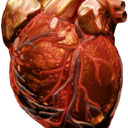
A human heart
There are many steps people can take to try to prevent heart disease. You can start by concentrating on key lifestyle areas such as eating, exercise, smoking and drinking, and considering other factors like family history, diabetes and stress. Here are 10 top tips for a healthy heart

How to prevent cavities in kids


How to prevent cavities in kids 

Despite decades of warnings about dental care, children's tooth decay rates are on the rise.
Did you know?
Don't put your child to bed with a bottle of milk or juice. It will coat their teeth for hours and lead to tooth decay.

The message is simple: if you don't let kids graze constantly on sugary food and make sure they brush their teeth properly every day with fluoride toothpaste, chances are they won't develop tooth decay. So why do almost 50 per cent of kids aged five to six have at least one cavity in a "baby" tooth, while a whopping one in 10 have more than seven cavities?

These statistics, from the most recent Child Dental Health Survey, show the rot has also set in among older kids, with about half of 12-year-olds developing cavities in their permanent teeth.


Stillbirth – why does it happen and what can you do?


What is stillbirth?
A stillbirth is when a baby is born with no sign of life after week 24 (or 28) of pregnancy. Before this point, the loss of a baby is known as a miscarriage. The vast majority of miscarriages happen in the first trimester – before 12 weeks, and are usually unavoidable due to genetic problems with the developing foetus. In most cases, the body realises early on that the baby will not be able to grow and develop normally and as a result, miscarriage occurs. Miscarriages after 12 weeks are less common and between 14 and 24 weeks, they’re known as ‘late miscarriages’.

Losing a baby later in pregnancy is made even more devastating as the pregnant woman will need to go through birth. Many parents choose to have a funeral or memorial service to help them come to terms with this experience and loss.

Diet Vs Exercise: The Weight Loss Debate


Two groundbreaking new studies address the irksome question of why so many of us who work out remain so heavy, a concern that carries special resonance at the moment, as lean Olympians slip through the air and water, inspiring countless viewers to want to become similarly sleek.


 Phys ED
Gretchen Reynolds on the science of fitness.
And in a just world, frequent physical activity should make us slim. But repeated studies have shown that many people who begin an exercise program lose little or no weight. Some gain.
To better understand why, anthropologists leading one of the new studies began with a research trip to Tanzania. There, they recruited volunteers from the Hadza tribe, whose members still live by hunting and gathering.
Providing these tribespeople with a crash course in modern field-study technology, the researchers fitted them with GPS units, to scrupulously measure how many miles each walked daily while searching for food. They also asked them to swallow so-called doubly labeled water, a liquid in which the normal hydrogen and oxygen molecules have been replaced with versions containing tracers. By studying these elements later in a person’s urine, researchers can precisely determine someone’s energy expenditure and metabolic rate.

Wednesday, August 8, 2012

Water after meals: Does it disturb digestion?


Does drinking water during or after a meal disturb digestion?

Advice from Michael F. Picco, M.D.

There's no concern that water will dilute the digestive juices or interfere with digestion. In fact, drinking water during or after a meal actually aids digestion. Water and other liquids help break down food so that your body can absorb the nutrients. Water also softens stools, which helps prevent constipation.

Looking for other ways to promote good digestion? Focus on a healthy lifestyle. Eat plenty of fruits, vegetables and whole grains. Maintain a healthy weight. Include physical activity in your daily routine.

Mayo Clinic

Butter vs. margarine: Which is better for my heart?


Jennifer K. Nelson, R.D., L.D. gives advice on the above question

Margarine usually tops butter when it comes to heart health. Margarine is made from vegetable oils, so it contains no cholesterol. Margarine is also higher in "good" fats — polyunsaturated and monounsaturated — than butter is. These types of fats help reduce low-density lipoprotein (LDL), or "bad," cholesterol when substituted for saturated fat.

Healthy heart for life: Avoiding heart disease

The heart is our engine room, better keep it in top condition. Follow these high points to get the best out of your heart

It's great that you want to improve your heart health. Don't think that you have to make big changes to have an effect on your heart health, though. Even small, basic steps can have dramatic effects.
One of the biggest drops in heart disease risk occurs when you go from a sedentary lifestyle to being active as little as one hour a week. That's right, just one hour. Obviously, the more active you are, the better. But just one solid hour of activity over the course of a week makes a difference.

Cold medicines for kids: What's the risk?

Be careful how you administer those cold and cough medicines on your children...Read the following advise on how to treat such common ailment

Cough and cold medicines are not recommended for children younger than 2 years of age. Here are some practical advice on treating such ailment by J. L. Hoecker, MD., an emeritus pediatrics at the Mayo Clinic Rochester, Minn

What's the concern about cough and cold medicines for kids?


Over-the-counter cough and cold medicines don't effectively treat the underlying cause of a child's cold, and won't cure a child's cold or make it go away any sooner. These medications also have potentially serious side effects, including rapid heart rate and convulsions. The Food and Drug Administration (FDA) discourages use of cough and cold medicines for children younger than age 2.


Tuesday, August 7, 2012

Apples and pears protect against stroke

The Family GP has some nice advise on what to do to protect you from stroke...Take it serious please

Apples and pears protect against stroke


White flesh fruit and vegetables most effective

Eating lots of fruits and vegetables with white flesh may protect against stroke, the latest research has found. While previous studies linked high fruit and vegetable consumption with lower stroke risk, this study is the first to examine food colour groups and stroke.

The study, conducted at Wageningen University in the Netherlands, looked at the link between food colour group consumption and the incidence of stroke in a sample of 20,069 adults free of cardiovascular disease and aged 41 on average. It found that the risk of stroke incidence was 52 percent lower for people with a high intake of white fruits and vegetables compared to people with a low intake.

Circumcision linked to lower risk of prostate cancer

Guys, you may want to heed this advise for better prevention against the dreaded prostate cancer.

Circumcision linked to lower risk of prostate cancer

May reduce the risk of infections contributing to the disease
Circumcision may help to lower the risk of men developing prostate cancer, a new study suggests.
Scientists at the Fred Hutchinson Cancer Research Centre, Seattle, found that men who had been circumcised before the first time they had sex were 15 per cent less likely to develop the disease compared with uncircumcised men.
It's already known that some infections can cause cancer, and research has suggested that sexually transmitted infections may play a role in the development of prostate cancer.
As circumcision helps protect against certain sexually transmitted infections, the researchers wanted to find out if it could also help protect against the development of prostate cancer.

Berries may help protect against Parkinson's

Another healthy advice from the Family GP...Go get your berries from your local grocer and start munching.


Berries may help protect against Parkinson's
Berries may help protect against Parkinson s


Berries may help protect against Parkinson's

Rich in flavonoids
Eating berries and other fruits may help to lower the risk of developing Parkinson's disease, according to the latest research.
A study published in the journal Neurology found that men who ate the most flavonoid-rich foods such as berries, tea, apples and red wine were 40 per cent less likely to develop the disease, as compared to those who ate the least.

Blood test to detect breast cancer risk on the horizon

More reason why we should all keep a regular health style and go for regular check up.

breast cancer


Detects changes in gene before cancer develops
A blood test could soon be able to predict breast cancer many years before it develops, according to new research.
Scientists at Imperial College London found that molecular changes to a gene called ATM can double a woman's risk of going on to develop breast cancer.
The hope is that the study findings can be used to develop a blood test to identify those women most at risk of developing the disease.

Oily fish may reduce the risk of Alzheimer's


If you never had the need for eating oily fish, this is a very good reason to start now since it may prevent the risk of Alzheimer's
Oily fish may reduce the risk of Alzheimers

Linked to lower blood levels of beta-amyloid protein
Eating fish, chicken, salad dressing and nuts may reduce the risk of developing Alzheimer's disease, according to new research.
US scientists found that eating foods containing omega-3 fatty acids was linked to lower blood levels of a protein related to Alzheimer's disease and memory problems.

7 Things You Don't Know About A Special Needs Parent


This is from a mum who has a child with special needs, and how she has been able to cope. 


She talks about Jacob, her 3 year old son. Jacob has a disorder of the 18th Chromosome. The 18th Chromosome has various named disorders, including Ring 18 and the more well-known Trisomy 
2012-03-09-images-mejacsubwaysmall.jpg

Because of this disorder, Jacob has had serious medical and developmental issues. He has had heart surgery, kidney tract surgery, bronchoscopies and endoscopies, slept with an oxygen tube, and has had dozens of medical tests and sees numerous specialists. They've been in and out of hospitals and doctors' offices since he was three months old. He also has severe developmental delays and receives speech therapy, occupational therapy, physical therapy and behavioral therapy.

Planning a Career with your child

How often have we as adults lamented that the present career we are into is not where our real passion lies. These tips will help you plan your child's carrer. Supporting your child and helping them choose from the many options available for their future is a vital role you play as a parent. The following information will help you support your child through this process:


Monday, August 6, 2012

Childhood depression

The world is tough as it is already that we should be careful about letting our kids go into depression. Learn what you can beat it.

 Childhood depression

Once considered an illness affecting adults, depression can strike in children as young as five or six.

Following a long and bitter divorce, seven year old Madeline’s father disappeared into the night, leaving behind a young, heartbroken daughter. While other children her age were happily out playing, Madeline would lie on her bed after school and stare at the ceiling. She no longer wanted to play with her friends, and was anxious and teary all the time. Her mother, Tanya, was at her wits end. It turned out that Madeline is one of a growing number of children suffering from childhood depression. In the past, kids displaying signs of this debilitating disease were often diagnosed with Attention Deficit Hyperactivity Disorder, or other behavioural problems. But now, it’s widely recognised that as many as one in 10 children develop the condition.

Is too much TV making our kids fat?

How often do we have to allow our kids to sit before the tube to watch their favourite TV shows? Find out by reading this...

Is too much TV making our kids fat?
Television is an intrinsic part of our culture and it's inevitable that our children will watch it. It can be entertaining and educational: but it can contribute to childhood obesity.
Television is pervasive and the average Australian schoolleaver will have spent more time watching telly than in the classroom! Television has the potential to impart information, inform opinion and provide relaxation. But it may also negatively impact on a child’s health and portray certain models and values to children before they are cognitively ready to separate fantasy or opinion from fact, or to critically assess what they are watching.
The television-watching habits a child acquires as a pre-schooler are likely to stay with them for life, which means there is an opportunity to impart healthy lifestyle choices. So how do you avoid the pitfalls?

Circumcision (Male)

To circumcise or not to circumcise? Read the following advice from Mayo clinic on the advantages of circumcision. It will help you reach a decision on what to do.

Circumcision is the surgical removal of the skin covering the tip of the penis. Circumcision is fairly common for newborn boys in certain parts of the world, including the United States. Circumcision after the newborn period is possible, but it's a more complicated procedure.

For some families, circumcision is a religious ritual. Circumcision can also be a matter of family tradition, personal hygiene or preventive health care. For others, however, circumcision seems unnecessary or disfiguring. After circumcision, it isn't generally possible to re-create the appearance of an uncircumcised penis.

Breast-feeding and pumping: 7 tips for success

For the busy and the not so busy mom, you could get some benefits out of breast-feeding your baby...If so busy, the pumping of breast milk will be an advantage 

Breast-feeding is a commitment — and your efforts are worthwhile. If you're pumping, follow simple tips for maintaining your milk supply, from pumping often to drinking plenty of fluids.

Breast-feeding is based on supply and demand. The more you breast-feed your baby — or pump while you're away from your baby — the more milk your breasts will produce. Consider seven tips for pumping success.


Saturday, August 4, 2012

The benefits of omega-3 are well known, but now new research is championing its effect on unborn bubs.


Do pregnant women need omega-3?

Did you know?
A deficiency in omega-3 may increase the risk of postnatal depression, according to b+s nutritionist Lisa Guy.

Folate has long been acknowledged as a necessity for expectant women, or women even thinking about pregnancy, because of its ability to lower a baby's risk of being born with spina bifida or other neural tube defects.

Recently, researchers have concluded that omega-3 fatty acids may be similarly valuable in an unborn baby's development. A recent study has found that a specific type of omega-3 fatty acid, docosahexaenoic acid (DHA), improves a baby's brain development. Two other studies on omega-3 fatty acids found that pregnant women who consume omega-3s give birth to babies with a lower risk of food allergies and eczema. This follows earlier research that suggested a low intake of omega-3 fatty acids could increase the risk of mothers having an early delivery.

Struggling to fall pregnant? Just cleaning up your lifestyle can help boost your fertility


Three tips to boost fertility
Did you know?

More than 70 per cent of women under 30 conceive within three months. For women over 36, this drops to about 40 per cent.
You've found a partner, set up a cosy house and now you want to have a baby but it's not happening. You might make up the one in six couples with fertility problems.

"Many people have difficulties with infertility. But there are positive things you can do to maximise your chances of becoming pregnant and having a healthy baby," says Fertility Coalition spokeswoman Louise Johnson.

Listening the key to kids learning


Listening the key to kids learning
Listening is an essential skill that sets your child on the road to speaking. It's the key to learning and to forming good relationships.
Talking and listening go hand in hand. Long before your baby talks, you have ‘conversations’ – speaking to her, naming things, pausing while she reacts, then reacting back to her. Listening to you she absorbs the basic blocks of language, and your expressive and exaggerated speech helps her learn and pronounce words. At the same time, she’s learning that there are pauses and nonverbal exchanges that are as telling as the words themselves. Once she’s begun talking, it’s the way you listen to her that will help her become a good listener too.

Fish oil improves kids


Fish oil improves kids
Fish oil boosts memory in kids.

Omega-3 fish oils can help boost brain function associated with memory in children, according to a study from the University of Cincinnati College of Medicine in the US.

A small group of 38 boys aged eight to 10 years were given daily capsules containing 400mg or 1200mg of DHA - the "brain-boosting" omega-3 essential fatty acid - or a placebo, for eight weeks.

Both DHA doses were found to have given increased neural activation, while there was decreased activation noted within the placebo group.
Another recent study from Galaxy Research has found that nine out of 10 Australian schoolchildren are not consuming enough fish, which may be compromising brain function and development, says GP Dr Ginni Mansberg

Body and Soul.au

Check my weight loss blog at chizzweightlossdiary.blogspot.com

Is medicine always the answer?


Is medicine always the answer?

Parents are advised not to reach for the medical kit every time their child is sick. 
Treating children's illnesses with over-the-counter pills and potions are common. But parents are being urged to remember that just because medications are available without a prescription doesn't mean they are safe or necessary. 


Many medical specialists say sometimes it's better for kids to battle an illness such as a cold or virus without medication. 
Pharmacies and supermarkets are filled with non-prescription medications to ease pain, colds, snotty noses, constipation, diarrhea and other ailments. Parents are also being encouraged to buy vitamin supplements to keep kids healthy, make them smarter and to fill in the gaps in their diets.

Old fashioned children's games 'endangered'


Long gone are the days when children whittled away the hours making paper planes or playing leapfrog it seems, as parents are now paying out rather than playing out with their children.

Research from Morrisons found that more a third of parents (36%) think it’s a must to pay out for family fun as they don’t know how to entertain their children for free.
According to their research, the average family now spends over £30 a week more per child in the school holidays than they do in term time causing families to slide into debt. Old-fashioned free and low cost games such as hopscotch, leapfrog, blind man's buff, jacks and tiddlywinks that filled parents' childhoods have become a thing of the past.

Friday, August 3, 2012

Health Tip: Keep Your Child Safe in a High Chair


A high chair makes it easier to feed your child, but you should make sure the child can't tip it over.
The American Academy of Pediatrics mentions this safety checklist for high chairs:
•       The chair should be sturdy and not tip over easily.
•       If the chair folds, make sure it's locked before the child sits down.
•       Fasten all safety straps in the chair, and don't allow your child to stand up in it.
•       Don't position the chair close enough to a table that your child can push against the table and tip over.
•       Children should never be left unattended in a high chair. Older kids should never be allowed to climb on it.
Avoid using a high chair that hooks onto the table, in place of a freestanding one.

US News

Health Tip: If Your Older Child Wets the Bed


By age 5, most children should be toilet-trained and should be able to stay dry through the night. But some older children may still wet the bed.
The American Academy of Pediatrics offers recommendations for parents in this situation:
•      Talk to your child's pediatrician about possible medical problems that could be affecting the child.
•      Don't scold the child or punish him.
•      Tell the child you understand the problem and that it isn't his fault.
•      Don't let the child drink anything two hours or later before bedtime.
•      Offer a reward for a dry night.

US News

Tummy time: How much does your baby need?


Tummy time — placing a baby on his or her stomach while awake and supervised — can help your baby develop strong head, neck and shoulder muscles and promote certain motor skills. Tummy time can also prevent the back of your baby's head from becoming flat (positional plagiocephaly).